
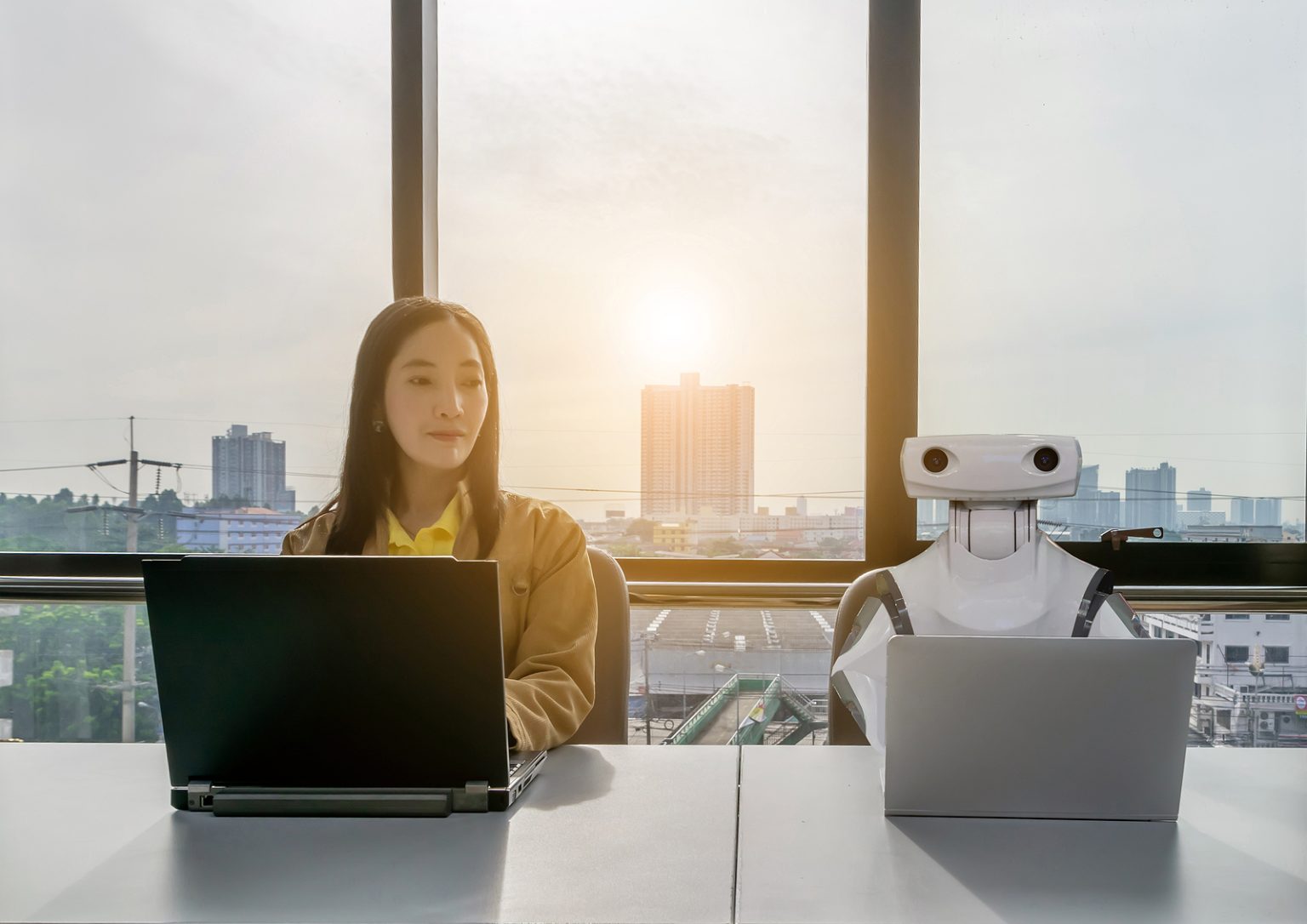
The workplace design process, along with its thought processes, is undergoing a transformation like no other. It’s fast-moving, fluid and involves advanced AI, automation and smart building technology that’s reshaping how offices are operating. It changes the way in which employees interact with their environments and how organisations think about things like wellbeing and productivity.
As businesses begin to change and embrace hybrid work models, employee expectations begin to evolve. This, therefore, makes the integration of intelligent systems central to the modern workplace strategy. In this article, we’ll be discussing the future of workplace design as we know it, including artificial intelligence (AI), automation and smart offices as a whole. So, let’s dive right in.
The shift towards intelligent work environments
Traditional offices are often considered to be static. It includes fixtures and fittings like fixed desks, standard lighting, manual climate control and more. In today’s workplaces, they’re becoming far more responsive, powered by data and automation in this day and age.
Some of the major technology leaders in the industry, like Google and Microsoft, are investing heavily in AI-driven workplace tools. In turn, this optimises collaboration, space usage and even employee experience.
The future of the office doesn’t just involve a physical space. It includes making and maintaining an environment that is smart and, most importantly, adaptive. So, how is this shift being made? Let’s take a closer look:
AI-powered space optimisation
Managing hybrid occupancy is a constant battle when it comes to a modern office design. With employees having to split their time between home and the office, it’s never been more important for companies to think of smarter ways to allocate space.
By leveraging analytics platforms, organisations can reduce unused space and redesign layouts that are based on data that becomes apparent in real time, rather than by making assumptions. You might be wondering how AI systems can help in this case. Well, the answer is simple. Let’s take a look:
- Tracking occupancy patterns
- Alanyising peak usage times
- Recommending optimal desk configurations
- Predicting future space needs and requirements
But what if we also told you that there’d be some other impact on office design in this instance? AI ensures that the workplace is evolving and adapting, rather than remaining stagnant and fixed. This can be helped with flexible desk systems, modular furniture, activity-based work zones and dynamic meeting room allocation, to name just a few.
Automation & smart building systems
Automation and smart building systems can do a wide range of different things, including lowering operational costs, improving sustainability, enhancing employee comfort and reducing manual facility management.
Automation has the ability to transform offices into self-regulating environments, but how? Automation is starting to redefine how office and workplace infrastructure in general operates behind the scenes. With this in mind, smart offices are able to integrate a variety of different things, including:
- Automated lighting systems
- Climate control based on occupancy
- Touchless entry
- Access control
- Voice-activated meeting rooms
AI-enhanced collaboration tools
Collaboration isn’t confined to conference rooms. AI-powered tools will enhance both in-person and remote teamwork. Platforms like Slack and Zoom will incorporate AI features that include things like: automated meeting summaries, real-time transcription, smart scheduling assistance and task generation from conversations. This type of integration will therefore influence workplace and office design, for the better. It does this by increasing the need for:
- Hybrid -ready meeting rooms
- Acoustic optimization
- Advanced audiovisual setups
- Collaboration hubs with digital whiteboards
Personalised work environments
AI enables a personalised workplace and office experience for employees and visitors alike. There are several companies in this day and age that develop smart workplace ecosystems that also recognise employees and adapt in accordance with this. It would mean walking into an office and having the following things at your disposal:
- Your preferred lighting activates
- A desk height that automatically adjusts to your needs
- Climate settings that are tailored to your comfort
- Notifications that guide you to available spaces, including hot desks
Data-driven wellbeing & health monitoring
Post-pandemic workplace environments, including offices, will prioritise things like health and safety, which is paramount to the well-being of employees. With this in mind, smart offices will now incorporate things like air quality monitoring sensors, occupancy density tracking, touchless technology and even smart sanitation systems.
Along with the aforementioned, AI can analyse patterns in sick leave, stress indicators and workspace usage, to name just a few things that will improve overall well-being. When the environment actively supports health, employee trust and overall retention will improve greatly.
Robotics & workplace automation
Automation will extend far beyond that of just software. Robotics may soon become common in certain office environments. Some potential applications include the following: automated delivery robots for mail and supplies, cleaning robots that operate after hours and security robots that monitor premises tightly.
Companies like Boston Dynamics have already developed advanced robotic systems that have the ability to integrate into large-scale office campuses seamlessly. While robotics won’t replace human roles in offices, they’ll streamline operational tasks and enhance efficiency overall.
Sustainability throughout smart technology
Sustainability has long been something that companies are prioritising. So much so, it’s no longer an optional thing in business. AI and automation can help with this by reducing environmental impact. AI-driven energy management supports corporate ESG goals and lowers operational expenses, therefore making sustainability both financially practical and ethical above all else. Most people will choose a smart office to lower their carbon footprint because they can do the following:
- Automatically shut off unused systems
- Monitor water and energy usage
- Optimise HVAC performance
- Predict maintenance needs to prevent waste
The rise of predictive maintenance
Instead of waiting for equipment to fail, AI systems can predict maintenance needs. Sensors are able to detect anomalies in things like electrical systems, elevators, heating units, cooling units and security infrastructure. By addressing issues proactively, organisations can avoid downtime and create a smoother employee experience all around. However, there are some ethical considerations and some challenges to keep in mind, but what are they? Let’s find out.
What are the challenges & ethical considerations of AI, automation & smart offices?
While AI-driven workplaces offer several benefits, they also raise some concerns that people need to address, from data privacy to workforce anxiety and everything in between. Here are some challenges and ethical considerations that you need to think about when it comes to AI, automation and smart technology in the office:
- Data privacy – occupancy tracking and behavioural analytics must be handled transparently and ethically
- Over-automation – too much automation can reduce human interaction or create sterile environments
- Cost barriers – advanced smart systems require significant upfront investment
- Workforce anxiety – employees may worry about surveillance or job displacement due to AI. But a successful implementation requires clear communication and thoughtful governance policies
What does the hybrid office of the future look like?
Now that we’re aware of everything that a hybrid office can offer a workplace, including smart technology, predictive maintenance, AI health monitoring and automated collaboration tools, to name a few, maybe it’s time to take a closer look at what the office of the future actually looks like. Rather than replacing human creativity, AI will just enhance it. This helps to free employees from repetitive tasks, therefore optimising the environment so that they can focus more on meaningful work, rather than repetitive, time-consuming or laborious tasks.
What does this all mean for workplace designers?
AI, automation and smart technology in the workplace sound simple, but their execution and implementation are far from straightforward. This gives office owners and business owners alike something to think about before diving headfirst into a new workplace scene that no one is fully or completely familiar with yet.
Not to mention it’s not fully trusted or accepted yet, either. This makes things slightly more difficult, generally. However, this is often where the expertise of professional office designers comes into play. So, what does this all mean for workplace designers? It now means that they will have to collaborate with different departments in the workplace, including HR, IT, data analysis and facilities managers, to name just a few examples.
Workplace design is becoming multidisciplinary. It blends architecture, technology, psychology and sustainability to create the perfect future-proof workplace design strategy. This means that the office of tomorrow will not only look different, but it will think differently as well.
FIT Interiors has a wide range of services available, including office fit-outs in Nottingham, office refurbishments, office relocations, office planning, office design and more. If you’d like further information about how we can transform your workplace, breathing new life into it through the addition of new flooring, suspended ceilings, office partitioning, new washrooms and more, then get in touch with a member of our friendly, knowledgeable team today – we’re always pleased to hear from you.